📑 Table of Contents
- Introduction
- Core Material Properties of Drop Stitch PVC Fabric
- Daily Water Quality Management & Physical Protection
- Chemical Water Balancing: Disinfection & Algae Control
- Pool Body Deep Cleaning & Stubborn Stain Removal
- Air Pressure Control & Long-Term Storage Rules
- Market Trends & Industry Application Analysis
- Professional Manufacturer Insights from OMC Amusement
- FAQ for Drop Stitch Inflatable Pool Maintenance
🌊 More and more households and cold therapy enthusiasts across the globe are choosing drop stitch inflatable pools these days. If you want to keep the water clean and make your pool last for years to come, regular, proper upkeep is absolutely essential. Drawing on real-world field experience, official industry standards and hands-on maintenance know-how, this guide walks you through every key care step.
Different from traditional ordinary inflatable pools, drop stitch designs rely on thousands of tough polyester threads to hold their shape. They run at much higher air pressure than standard inflatables, and the pool surface constantly picks up skin flakes, body oils, sunscreen residue and water treatment chemicals. Cutting corners on cleaning, chemical dosing, air pressure checks or seasonal storage will quickly ruin your water quality and let bacteria and algae spread. Over time, careless use will wear away the PVC UV protection, damage the internal stitching, and eventually lead to leaks, permanent warping or brittle fabric. Below you will find a complete, easy-to-follow maintenance routine covering materials, water care, chemical use, deep cleaning, pressure management and long-term storage.
Core Material Properties of Drop Stitch PVC Fabric 🧵
The core material characteristics of drop stitch PVC fabric directly determine how durable, rigid and pressure-resistant these pools can be. Every drop stitch inflatable pool is crafted from high-density PVC mesh fabric paired with premium drop stitch weaving techniques. Under regular operating conditions, this material safely handles inflation pressure ranging from 5–15 PSI. The end result is a firm pool wall that feels nearly as solid as hard-sided pools, which is the biggest advantage over basic inflatable styles. While this fabric holds up well to water and outdoor exposure, the exterior UV coating and internal polyester threads do have clear limits you need to keep in mind.
Structural Features of Drop Stitch Technology
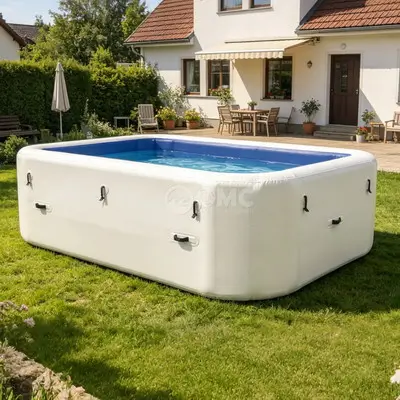
Inside any drop stitch pool, vertical high-strength polyester threads connect the top and bottom layers of PVC material firmly together. When inflated to the recommended 5–15 PSI, the whole structure stays tight and flat, with no sagging or bulging spots. This smart build works great for backyard water fun and cold plunge sessions.
Performance Limits of High-Density PVC Cloth
The PVC material used for drop stitch pools works well with standard pool disinfectants, but it cannot stand up to harsh acids, strong alkalis, concentrated solvents or rough scrubbing tools. Following guidelines set by ASTM for textile products, once the UV protective layer on PVC wears off, the fabric will fade quickly, become brittle and even develop cracks. On top of that, oils and skincare products left on the pool surface slowly eat away at the protective coating, speeding up overall material wear and tear.
Daily Water Quality Management & Physical Protection 🔍
Sticking to simple daily cleaning and protection habits keeps your pool water clear for longer and means you won’t have to drain and refill the pool as often. This is the most basic yet important part of drop stitch pool care. These physical maintenance tasks are straightforward, safe for all PVC materials, and easy enough for anyone to do every single day.
Daily Debris Removal Operation Standards
If your pool sits outdoors, leaves, bugs, loose hair and other floating debris will land in the water regularly. Grab a fine mesh skimmer and clear out all floating matter each day before it sinks to the bottom and rots. Rotting organic matter pollutes the water rapidly and creates ideal conditions for algae to grow. The leftover particles also stick to the pool walls and get stuck in small crevices, making deep cleaning much harder later on. Try to set a fixed time each day to skim the pool for best results.
Circulation Filtration System Configuration & Runtime
We highly recommend pairing your home drop stitch pool with a small circulating filter pump. The two most common options are cartridge filters and sand filters. Run your filter pump for 2–4 hours every day to pull out tiny floating particles and keep the water from turning cloudy. Moving water stays cleaner than stagnant water and slows down bacterial growth significantly. A basic circulation system is one of the most cost-effective ways to maintain steady water quality all season long.
Pool Cover Usage for Daily Protection
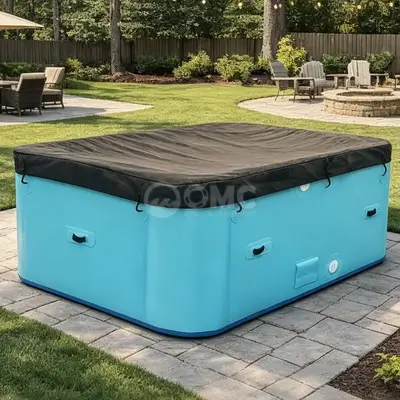
Always put a dedicated pool cover over your inflatable when it is not in use. It is one of the simplest ways to protect your pool with very little effort. A good cover blocks dust, leaves and insects from falling into the water, and it also cuts down on water evaporation. When the sun is bright and hot, the cover slows down chlorine breakdown caused by direct sunlight, so you will not need to add chemicals as frequently. Leaving the pool uncovered outside for days on end will ruin water quality fast and speed up UV damage to the PVC fabric.
Chemical Water Balancing: Disinfection & Algae Control 🧪
Drop stitch pools hold far less water than permanent in-ground swimming pools, so pool chemicals can easily become overly concentrated if you are not careful. Always measure doses carefully for disinfectants, pH adjusters and algaecides. This keeps the water safe for swimmers and stops strong chemicals from damaging the PVC walls and internal drop stitch structure. All household pool chemicals should be used in line with CPSC consumer safety rules to avoid risky mistakes.
Chlorine Disinfection Rules & Concentration Standard
Most users choose either slow-release chlorine tablets with a floating dispenser or liquid sodium hypochlorite for daily disinfection. Keep residual chlorine levels in your pool water steady at 1.0–3.0 ppm to kill germs and stop bacteria from spreading. Never drop chlorine tablets directly onto the pool floor. A dense pile of chlorine in one spot creates extremely high concentration that burns the PVC surface, leaving discoloration and brittle areas that shorten your pool’s lifespan.
pH Value Monitoring & Adjustment Specifications
Test your pool water pH level once every week using standard test strips, and aim to keep readings between 7.2–7.6. If pH levels run too high, mineral scale will build up on pool surfaces, and chlorine will stop working as well. If pH drops too low, the acidic water can irritate skin and eyes, and it will gradually wear down plastic parts like drain valves and air valves. Whenever levels drift outside the recommended range, use dedicated water balancers to make slow, gentle adjustments.
Algae Prevention and Regular Algaecide Application
Add non-foaming algaecide to your pool once every two weeks. This step becomes even more important during hot summer weather or after several rainy days in a row. High heat and humidity are perfect for algae to spread quickly across pool walls. Algae makes surfaces slimy and turns the water green, which ruins the user experience. Over time, algae roots dig into tiny gaps in the fabric, leaving tough residues that harm the outer PVC layer.
| Testing Item | Standard Value | Impact of Abnormality | Testing Frequency |
|---|---|---|---|
| Residual Chlorine | 1.0–3.0 ppm | Too low = bacteria growth; Too high = fabric damage & skin irritation | Daily spot check |
| pH Value | 7.2–7.6 | High = scale buildup & weak chlorine; Low = part corrosion & skin irritation | Once per week |
Pool Body Deep Cleaning & Stubborn Stain Removal 🧽
When you need to deep clean your drop stitch pool, stick to soft cleaning tools and mild, neutral cleaners. Rough scrubbers and harsh chemical cleaners will scratch and destroy the UV protective coating on PVC fabric permanently. Deep cleaning is best done while draining the pool. If the pool walls feel slippery to the touch, that is a clear sign dirt and microbes have built up, and you should clean it right away.
Standard Deep Cleaning Steps After Draining Water
First, drain every drop of water out of the pool completely. Use a soft brush or thick sponge along with mild dish soap or special PVC pool cleaner to scrub the walls and bottom thoroughly. Move your sponge or brush along the natural grain of the fabric for the best results, to lift away scale, oil and leftover chemicals. Once scrubbing is finished, rinse the entire pool fully with fresh water to wash away all soap residue. Any leftover cleaning solution will slowly damage the fabric when the pool is inflated or stored away.
Forbidden Tools & Chemical Cleaners for PVC Surface
Never use steel wool or stiff bristle brushes on your drop stitch pool. These abrasive tools leave permanent scratches on the PVC outer layer. You also need to stay away from strong acid cleaners, heavy-duty alkaline products and concentrated solvents such as acetone. These chemicals break down PVC material, make the fabric lose flexibility, and eventually cause cracks and air leaks. These mistakes are the top reasons why inflatable pools get damaged early on.
Removal Method for Grease and Black Scale on Water Line
The line where water meets air is always the dirtiest spot on any pool. Sunscreen, body oils and dust mix together here to form hard, dark grime. You can easily clean this area by mixing baking soda and plain water into a thick paste. Use a sponge to rub the paste gently over the stained areas. Baking soda is gentle yet effective, and it will not harm PVC materials at all. After cleaning, rinse the area well with fresh water to bring back the pool’s original look.
Air Pressure Control & Long-Term Storage Rules 💨
Managing air pressure correctly is one of the most critical care steps unique to drop stitch pools. Wrong pressure levels can snap the internal polyester threads, create bulges and leave permanent shape damage. Learn how air expands and contracts with temperature changes, and follow proper steps for draining, drying, folding and storage to get the longest possible use out of your pool. Inflatable Pool manufacturer in China has put together this full set of storage guidelines based on years of production and customer support experience.
Air Pressure Adjustment in High Temperature Environment
Direct summer sunshine heats up the air inside the pool, which makes the internal pressure rise sharply by midday. Get into the habit of checking air pressure around noon every hot day. If the pool surface feels rock-hard with no give at all, open the safety relief valve and let out a small amount of air. Leaving the pool overinflated in hot sun puts extreme stress on the internal threads. This often leads to broken stitching and bulged sections that cannot be fixed later.
Pre-Storage Treatment: Draining and Residue Cleaning
When the season ends and you are ready to store the pool long-term, drain all water completely. Pay extra attention to the small gaps around drain valves and air valves. These tight spaces trap water, mineral deposits and leftover pool chemicals easily. If you fold and store the pool without cleaning these spots first, the trapped substances will eat away at plastic parts and nearby fabric over time. Rinse around all valves thoroughly with fresh water until no dirt or chemical residue remains.
Complete Drying Requirements to Prevent Mold Growth
After cleaning, set the pool up in a shaded, well-ventilated spot to air dry naturally. Do not try to speed up drying by leaving it in direct sunlight. The layered drop stitch design has tight inner spaces that hold onto moisture for a long time. Folding a damp pool creates a sealed, humid environment where mold grows fast and leaves bad odors. Mold also breaks down PVC fabric over time. Only start folding once you confirm every surface, gap and valve opening is 100% dry.
Folding Method and Storage Environment Standard
Fold the pool loosely following the original creases from the factory. Avoid folding it into tight, sharp creases. Sharp folds leave constant stress on the fabric, which leads to premature aging and cracks down the line. Choose a storage area that stays between 5°C–38°C, away from sunlight, dry and well ventilated. You should also take steps to keep rodents away, as chewed holes from rats and mice are a very common cause of air leaks during storage.
Market Trends & Industry Application Analysis 📈
Thanks to their sturdy build, attractive design and versatile use, drop stitch inflatable pools have grown very popular across the global market. They now dominate the mid-to-high-end segment for backyard water recreation and cold plunge therapy, with steady year-over-year demand growth. Home buyers prioritize ease of use and comfortable experience, while fitness studios and recovery centers focus on cold therapy functions. This dual demand pushes manufacturers to improve product designs and create better supporting care solutions continuously.
Main Application Scenarios of Modern Drop Stitch Pools
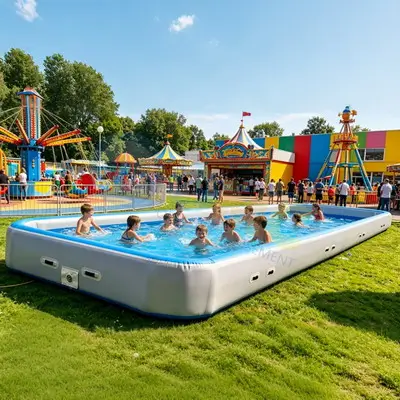
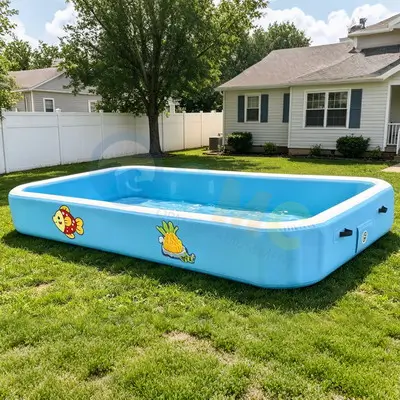
The mainstream application scenarios of drop stitch pools fall into two major categories. First, many families use these pools on patios and in backyards for casual water fun, as a great alternative to basic inflatables and small permanent pools. Second, they are widely used for athletic recovery and at-home cold plunge therapy, which has become one of the fastest growing niches in recent years. Maintenance routines may change slightly based on how often you use the pool, but the core care rules stay exactly the same across all use cases.
Global Market Development Status and Future Trends
The global inflatable pool industry continues shifting toward high-end products, and drop stitch models keep gaining a larger market share each year. To view full industry statistics, brand competition and global product standards, read through Global Inflatable Pool Market 2026-2028. As household spending rises overseas and cold therapy becomes more mainstream, the market for drop stitch pools will keep expanding. Meanwhile, the whole industry keeps updating material standards, usage guidelines and after-sales support systems.
If you are a global buyer, distributor or end user looking for in-depth industry tips, check out Inflatable Pool Manufacturers: Complete Industry Guide 2026. Today’s buyers care more about long product life, safety and simple maintenance. This customer demand pushes factories to upgrade fabric formulas, structural designs and matching accessories constantly.
Professional Manufacturer Insights from OMC Amusement 🏭
OMC Amusement is an experienced manufacturer specializing in inflatable leisure and water products, with dedicated production lines and strict full-range quality checks for drop stitch pools. We offer full OEM and ODM custom services for international clients. We can adjust pool sizes, color schemes, add extra accessories or build custom features to fit residential yards, commercial venues and professional cold plunge facilities.
We sell directly from our factory to cut out middlemen, so customers get reliable quality at competitive prices. Drawing on decades of production, export and overseas customer service experience, we always advise users to stick to standard care practices: monitor air pressure closely, use pool chemicals correctly, clean with gentle tools and store only after full drying. Proper maintenance maximizes your pool’s service life and keeps every use safe and enjoyable. For bulk order clients, we also provide multi-language maintenance guides, replacement parts and ongoing technical support.
FAQ for Drop Stitch Inflatable Pool Maintenance ❓
-
Q1: How do I fix overly high air pressure in my pool on hot summer afternoons?
A1: Hot midday temperatures heat the air inside and raise pressure. If the pool feels overly firm with no flexibility, open the safety valve and release air slowly. This stops excess pressure from snapping the internal drop stitch threads. -
Q2: How frequently should I test residual chlorine and pH levels?
A2: Check residual chlorine every day and maintain levels at 1.0–3.0 ppm. Test pH once per week, and keep readings between 7.2–7.6 at all times. -
Q3: Can I use steel wool or regular household bleach to clean my drop stitch pool?
A3: This is not recommended at all. Steel wool scratches the protective UV layer, and strong bleach damages the PVC fabric and internal stitching. Always use soft brushes and mild neutral cleaners instead. -
Q4: What happens if I fold up and store the pool while it is still wet?
A4: Trapped moisture inside the folded pool creates mold and unpleasant odors. Over time, mold eats away at the PVC material, leading to discoloration, weak fabric and air leaks. -
Q5: What works best to remove tough oil and dark grime along the water line?
A5: Mix baking soda and water into a thick paste, rub it gently over the stained areas with a sponge, then rinse thoroughly. This method is gentle and safe for all PVC inflatable materials.
🌟 OMC Amusement makes high-pressure inflatables for global B2B brands. Buy direct from our factory to get wholesale pricing with zero middleman fees. We deliver most custom orders in 15 to 40 days with a proven 99.8% quality pass rate.
💼 Our Core Product Categories
- Drop-Stitch Lines: Heavy ice bath tubs, drop stitch swimming pools, inflatable yachts, docks, and floating platforms.
- Water Park Lines: Large lake parks, floating obstacle courses, and inflatable castles.
📬 Get a Factory-Direct Quote Within 24 Hours
Ready to update your inventory or build a custom pool? Contact our engineering desk right now for a fast reply.
- 📧 Email: info@omcplay.com
- 📲 WhatsApp / Tel: +86 15638116754