📑 Table of Contents
- 1. Executive Summary (Key Conclusions)
- 2. Core Material Properties At A Glance
- 3. PVC (Polyvinyl Chloride) – Budget Workhorse
- 4. Drop Stitch (Double-Wall Fabric) – High-Rigidity Structure
- 5. TPU (Thermoplastic Polyurethane) – Premium Lightweight Material
- 6. PVC vs TPU – Head-to-Head Performance Comparison
- 7. Material Selection Framework (By Product Type)
- 8. TPU Care & Storage – Prevent Material Degradation
- 9. OMC Amusement Factory Perspective – OEM & ODM Services
- 10. FAQ – Common Material Questions
- 11. Final Buying Recommendations
1. Executive Summary (Key Conclusions) 📊
Three popular materials dominate the global inflatable product market, each serving distinct budget, performance and lifespan needs.
Inflatable product manufacturers use these three materials to develop products that meet the diverse needs of the global market. PVC is best suited for low-cost, seasonal products. Drop Stitch technology offers excellent rigidity and is suitable for heavy-duty applications. TPU, on the other hand, is specifically designed for high-end, eco-friendly, and lightweight inflatable products. Each material has specific technical specifications, including operating pressure, physical strength, and service life. These specifications directly determine the product’s positioning in the residential, commercial, and industrial sectors. Market data from Mordor Intelligence shows that demand for inflatable products is growing steadily, and material selection has become a top consideration for global buyers.
- PVC: Lowest production cost, 1–2 PSI working pressure, 1–2 seasonal service life.
- Drop Stitch: Medium to high cost, 10–20+ PSI working pressure, 5–10+ years of regular use.
- TPU: Highest material cost, 30–50% lighter than PVC, non-toxic and eco-friendly.
2. Core Material Properties At A Glance 📋
2.1 Comparative Spec Table
The table below lists standard physical metrics tested per ISO 20187-1:2022, the global standard for polymer and textile tear strength testing.
| Core Metric | PVC (Polyvinyl Chloride) | Drop Stitch (Double-Wall Fabric) | TPU (Thermoplastic Polyurethane) |
|---|---|---|---|
| Cost Level | Lowest | Medium to High | Highest |
| Working Air Pressure | 1–2 PSI | 10–20+ PSI | 5–10 PSI |
| Relative Weight | Heavier | Medium | Lightest (30–50% lighter than PVC) |
| Basic Tear Strength | ≥2000 N/5cm | ≥350 N (Reinforced Structure) | 2–3 Times Stronger Than Standard PVC |
| Environmental Safety | Low (Contains Plasticizers) | Medium (Mainly PVC Composite) | Very High (Non-toxic, No Plasticizers) |
| Average Service Life | 1–2 Seasons | 5–10+ Years | Long Lifespan (Depends on Storage) |
All test data is collected under standard room temperature at 23°C and standard atmospheric pressure. Drop Stitch uses composite materials with base fabric and surface coating, so it offers better structural stability than single-layer polymers. The weight gap between TPU and PVC is obvious on portable inflatables, which greatly impacts transportation and setup experience for end users.
3. PVC (Polyvinyl Chloride) – Budget Workhorse 💰
3.1 Material Science & Performance
PVC features mature manufacturing techniques and stable performance for low-pressure inflatable goods.
Most inflatable PVC materials measure 0.55 mm to 1.0 mm in thickness. Its standard working inflation pressure stays between 1 and 2 PSI, ideal for soft, flexible inflatable structures. This material performs reliably from -30°C to +65°C, fitting most outdoor seasonal environments. Raw PVC materials are widely available worldwide. Its welding and sealing processes are simple and easy to master, which keeps production costs the lowest among the three materials. Most entry-level inflatable toys and pools choose PVC to control retail prices.
3.2 Pros & Cons
PVC has clear strengths for production and daily use, along with noticeable technical drawbacks.
- Advantages: Ultra-low raw material and manufacturing cost; fully waterproof; tolerant of rough storage conditions; easy to weld and repair on-site.
- Disadvantages: Contains chemical plasticizers that wear out over time. Long-term UV exposure makes PVC hard, brittle and cracked. Standard single-layer PVC also has poor puncture resistance without reinforced mesh fabric.
Plasticizer loss is the main reason why PVC inflatables turn stiff after one or two seasons. Products placed outdoors year-round will degrade much faster than items stored indoors after each use.
3.3 Best Applications
PVC is widely used for short-cycle, cost-sensitive seasonal inflatable products.
Common items include kids’ casual inflatable pools, disposable water toys, low-pressure air mattresses and holiday inflatable decorations. These products do not require high rigidity or long service life, so PVC fully meets daily use demands. For family users who only use inflatable pools in summer, PVC is the most cost-effective option. Most mass-market inflatable water toys sold in supermarkets and online retail platforms are made of standard PVC.
4. Drop Stitch (Double-Wall Fabric) – High-Rigidity Structure 🧱
4.1 How It Works: 3D Internal Architecture
Drop Stitch is a special structural design, not a single pure polymer material.
This structure uses 10,000+ high-tensile polyester yarns to vertically connect the top and bottom surface layers. The outer layers are usually thick PVC or premium TPU. When inflated, air pushes the two layers outward, while vertical yarns limit over-expansion and keep the surface flat and rigid. Finished Drop Stitch products feel as firm as solid wood or hard plastic, totally different from soft traditional inflatables. This unique internal structure allows Drop Stitch to withstand high air pressure and heavy loads.
4.2 Performance Specifications
Drop Stitch inflatables follow ISO 15372:2000, the standard for marine and heavy-duty inflatable equipment.
Drop Stitch products work at a standard pressure of 10–20+ PSI, far higher than regular PVC inflatables. The space between internal yarns ranges from 50 mm to 200 mm based on product design. Its overall burst pressure exceeds 150 kPa for strong load-bearing capacity. Commercial-grade Drop Stitch products can last 5 to 10+ years with regular use and basic maintenance. The composite structure improves tear resistance and impact resistance, making it suitable for long-term frequent commercial use.
4.3 Ideal Use Cases
Drop Stitch is the top choice for inflatables that need flat surfaces, high rigidity and strong load capacity.
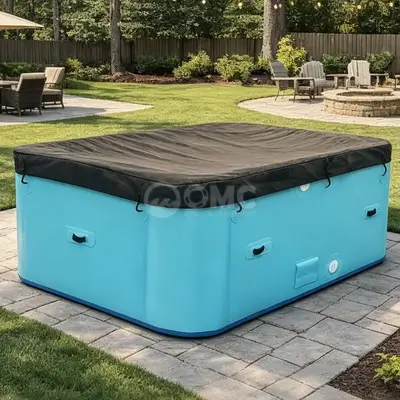
Typical products include inflatable stand-up paddle boards (iSUP), commercial mobile ice baths, gym air tracks, large floating platforms and outdoor work inflatable decks. These applications require stable support and anti-deformation performance, which soft PVC and regular TPU cannot provide. Water parks, amusement parks and fitness centers heavily rely on Drop Stitch products for reliable long-term performance and safety under heavy use.
5. TPU (Thermoplastic Polyurethane) – Premium Lightweight Material 🍃
5.1 Advanced Polymer Properties
TPU is a high-performance polymer with excellent physical and eco-friendly features.
At the same thickness, TPU is 30% to 50% lighter than PVC, which greatly cuts down overall product weight. It contains no plasticizers and produces no strange odors. It fully complies with EN 71-3, the global toy safety standard for heavy metal and harmful substance limits. TPU offers great tensile strength and puncture resistance. It stays flexible even in cold weather and will not harden or crack. Its surface feels smooth with natural rubber elasticity, and no permanent creases remain after folding and unfolding.
5.2 Critical Limitations
TPU has clear technical limits that all users need to know before making a purchase.
- Hydrolysis risk: Polyester-based TPU breaks down easily when exposed to moisture over time. Polyether-based TPU performs better but still requires dry storage.
- Heat resistance: Do not use TPU products in areas with long-term temperatures above 50°C. High heat speeds up material aging.
- UV stability: Raw TPU fades and ages quickly under direct sunlight. Manufacturers must add anti-UV additives during production, which increases production difficulty and costs.
These limitations mean TPU products need more careful daily maintenance compared with PVC items, especially during off-season storage.
5.3 Premium Applications
TPU targets high-end markets that prioritize safety, portability and comfortable touch.
Popular products include high-end lightweight camping mats, toddler and infant inflatable gear, professional rescue bags and portable inflatable equipment for frequent use. Parents choose TPU for kids’ products thanks to its non-toxic and skin-friendly properties. Outdoor lovers also prefer TPU because its light weight reduces carrying burden during hiking, camping and field activities.
6. PVC vs TPU – Head-to-Head Performance Comparison ⚖️
6.1 Tactile & Structural Differences
PVC and TPU differ greatly in hand feel and physical durability.
Standard PVC feels like hard plastic, and deep folds will leave permanent marks. TPU delivers soft, rubber-like texture with a smooth surface and no lasting creases. With the same material thickness, TPU resists punctures and tears 2 to 3 times better than regular single-layer PVC. Traditional PVC needs extra mesh cloth to boost tear resistance, while pure TPU achieves high strength without extra reinforcement. This design simplifies product structure and reduces total weight.
6.2 Durability & Maintenance
The two materials have different aging resistance and storage requirements.
PVC tolerates poor storage environments well. You can fold and store wet PVC inflatables temporarily without quick damage. Its main aging issues come from plasticizer loss and UV rays. Continuous outdoor use for one year will reduce its overall strength by around 50%. TPU has strict storage rules. Residual moisture will cause hydrolysis and permanent damage in a short time. Even with anti-UV additives, long-term sun exposure still leads to discoloration and performance loss. TPU products need regular checks and standardized maintenance.
7. Material Selection Framework (By Product Type) 🎯
7.1 Inflatable Pools & Water Toys
Choose materials based on usage period, budget and target users for inflatable water products.
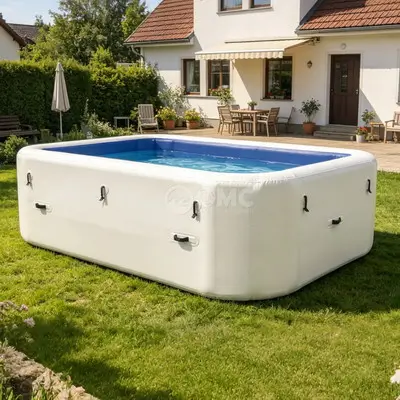
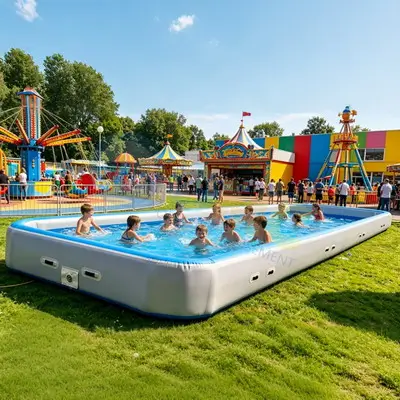
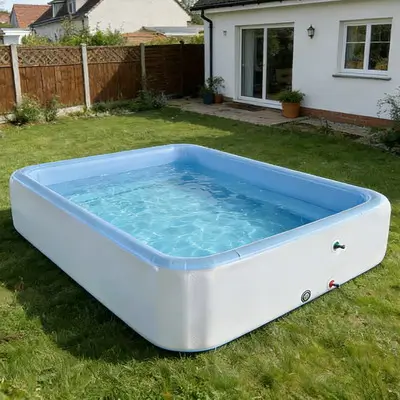
Pick standard PVC inflatable pools and toys for short summer use and tight budgets. Select TPU for high-end family use, baby products and long-term repeated use, for better safety and comfort. Choose Drop Stitch composite materials for large rigid floating pools and commercial public water facilities, to guarantee flat surfaces and load-bearing safety. Matching the right material to product positioning balances cost and performance perfectly.
7.2 Paddle Boards & Water Sports
Rigidity and pressure resistance are the core standards for inflatable water sports gear.
Nearly all inflatable stand-up paddle boards (iSUP) adopt the Drop Stitch structure. Entry-level recreational boards use PVC composite Drop Stitch to control costs. High-end professional boards use TPU composite Drop Stitch for lighter weight and better surface feel. Soft PVC and single-layer TPU cannot meet the rigidity needs of water sports equipment, so Drop Stitch has become the industry standard in this field.
7.3 Camping & Outdoor Gear
Portability and environmental adaptability are key factors for outdoor inflatable products.
Lightweight camping air beds and portable inflatable cushions mostly use TPU for easy carrying. Large outdoor temporary platforms and floor mats that do not require extreme portability can use thick PVC coated fabric, which balances durability and cost. Outdoor inflatables exposed to complex natural environments need matched materials based on local sunlight and humidity levels, to slow down aging.
8. TPU Care & Storage – Prevent Material Degradation 🧴
8.1 The Four Rules of TPU Maintenance
Follow four standard maintenance rules to avoid TPU hydrolysis, aging and performance loss.
- Fully dry the product: Wipe off all surface water after use, then air dry in a ventilated area. Make sure no water stays inside air valves or internal cavities before folding.
- Avoid heat and closed spaces: Store TPU items in cool, dry and well-ventilated areas. Never leave them in car trunks, attics or damp basements for long periods.
- Keep away from chemicals: Clean off sunscreen, sweat, oil and leftover detergent after use. Strong acid and alkaline substances will erode TPU surfaces and speed up degradation.
- Block direct sunlight: Store indoors or cover the product during long idle time. UV rays cause discoloration and brittleness.
8.2 Signs of Degradation
You can judge TPU condition easily through visible surface changes.
A sticky surface and lost elasticity mean hydrolysis has occurred, and the material is permanently damaged. Yellowing, hardening or surface cracks result from long-term UV exposure and aging. Once these problems appear, product safety and service life drop sharply. Stop using the product right away to avoid potential accidents.
9. OMC Amusement Factory Perspective – OEM & ODM Services 🏭
OMC Amusement is a professional inflatable product manufacturer with complete production lines for PVC, Drop Stitch and TPU goods.
We offer factory-direct sales and full OEM & ODM custom solutions for global buyers. We customize material thickness, surface coating, colors, printing and structure based on customer requirements. OMC supports flexible order sizes, from sample orders to large-scale mass production. Our team also provides professional material selection advice according to your target market, usage scenarios and budget, to boost your product competitiveness.
10. FAQ – Common Material Questions ❓
Q1: Which material is the safest for children’s inflatable products?
A1: TPU is the safest choice. It contains no plasticizers or harmful volatile chemicals and meets strict children’s toy safety rules. PVC may release faint chemical smells, and most Drop Stitch composites use PVC as the base layer. Thus TPU is the top pick for infants and kids’ daily use.
Q2: What is the standard air pressure for inflatable pools?
A2: Standard PVC inflatable pools run at 1–2 PSI. Rigid Drop Stitch large pools require 10–15 PSI. Lightweight TPU inflatable pools usually work at 4–8 PSI for balanced softness and support.
Q3: Can you repair a punctured TPU inflatable product?
A3: Yes. Small holes can be fixed with dedicated TPU repair patches and special glue. Large cracks and big tears cannot recover full original strength. Keep TPU products away from sharp objects during daily use.
Q4: How long can regular PVC inflatables stay outdoors continuously?
A4: Standard PVC products keep normal performance for about one full season (3–4 months) under constant outdoor sunlight. Aging speeds up significantly after that. Move PVC inflatables indoors when not in use.
Q5: What makes Drop Stitch different from regular inflatable materials?
A5: Drop Stitch is a 3D yarn-connected structure instead of a single raw material. It holds much higher air pressure to create rigid, flat surfaces, while single-layer PVC and TPU stay soft under low pressure.
11. Final Buying Recommendations ✅
Select materials based on your budget, usage goals and maintenance capability.
- Choose PVC for low cost, seasonal short-term use and minimal maintenance needs.
- Choose Drop Stitch for high rigidity, heavy load capacity and long-term commercial use.
- Choose TPU for eco-friendly safety, light weight, soft touch, and if you can follow standard daily maintenance rules.
Choosing the right material maximizes product lifespan and user experience. It also keeps overall costs reasonable for global distributors, retailers and end consumers.
🌟 OMC Amusement makes high-pressure inflatables for global B2B brands. Buy direct from our factory to get wholesale pricing with zero middleman fees. We deliver most custom orders in 15 to 40 days with a proven 99.8% quality pass rate.
💼 Our Core Product Categories
- Drop-Stitch Lines: Heavy ice bath tubs, drop stitch swimming pools, inflatable yachts, docks, and floating platforms.
- Water Park Lines: Large lake parks, floating obstacle courses, and inflatable castles.
📬 Get a Factory-Direct Quote Within 24 Hours
Ready to update your inventory or build a custom pool? Contact our engineering desk right now for a fast reply.
- 📧 Email: info@omcplay.com
- 📲 WhatsApp / Tel: +86 15638116754